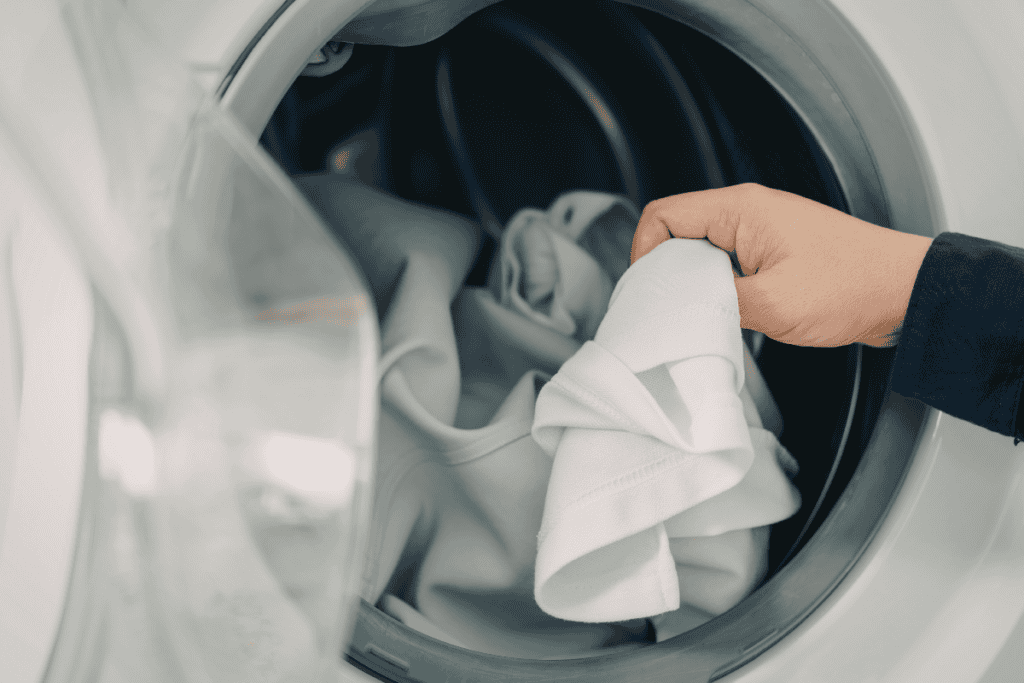
If your washer won’t drain, you can end up with soggy laundry and a machine that won’t finish its cycle. This issue is more than just an inconvenience. It often points to a mechanical or electrical problem that needs attention before it leads to more serious damage.
Understanding what might be happening inside the appliance can help you recognize patterns and avoid repeat issues.
Washer Won’t Drain: What Could Be Causing the Problem?
When a washer won’t drain, the issue typically comes from a breakdown somewhere in the drainage system or the controls that manage it. These components all work together during the final stages of the wash cycle, and even a minor failure can interrupt the process.
Some problems develop gradually, while others appear suddenly without warning. The most common reasons a washer won’t drain are a clogged drain hose, blocked pump filter, unbalanced load, excess suds, a faulty drain pump, or a problem with the lid switch or control system.
Recognizing how each component behaves when it starts to fail can make it easier to narrow down the cause.
Unbalanced Load Preventing Proper Spin
In many washers, draining and spinning happen together. If the load inside the drum becomes unbalanced, the washer may stop before reaching full spin speed.
When this happens, water may remain in the tub, making it seem like the washer isn’t draining properly.
You may notice:
- The washer stopping mid-cycle
- Loud thumping or shaking
- Clothes still soaking wet at the end
A quick fix is to redistribute the load evenly and restart the spin cycle. If the problem continues with balanced loads, it may indicate a deeper issue that should be inspected by a technician.
Excess Detergent or Suds Buildup
Using too much detergent or the wrong type (especially non-HE detergent in high-efficiency machines) can create excess suds that interfere with proper draining and spinning.
In some cases, the washer may pause or extend cycles while trying to correct the issue. You can try running a rinse and spin cycle without adding detergent to clear excess suds.
If the issue continues even with proper detergent use, professional diagnosis may be needed.
Clogged or Restricted Drain Hose
The drain hose carries wastewater from the washer to your home’s plumbing system, making it one of the most common points of restriction.
Over time, detergent residue, lint, and small debris can build up inside the hose. In some cases, the problem is external, such as a hose that has shifted out of place and become pinched.
This issue can be difficult to spot at first because it often begins as a partial restriction. The washer may still drain, but more slowly than normal. As the blockage worsens, more water may remain in the tub after each cycle.
Common signs include:
- Cycles taking longer to finish
- Water draining more slowly than before
- Water left sitting in the drum after a load
Improper drain hose positioning can also cause drainage problems. If the hose is installed too high, too low, or pushed too far into the standpipe, it may restrict drainage or allow water to flow back into the washer.
If adjusting the hose position does not fix the problem, a technician can inspect the installation and surrounding plumbing to make sure everything is draining properly.
Blocked or Dirty Drain Pump Filter
On washers equipped with a drain pump filter, sometimes called a coin trap, this component acts as a protective barrier, catching items that could damage the pump.
As the filter collects debris, it gradually restricts water flow. Unlike a sudden failure, this is usually a gradual decline in performance. If your washer won’t drain, this could be a possible cause.
Early signs often go unnoticed, such as:
- Slightly longer drain times
- Occasional leftover water
- Inconsistent performance between loads
As the blockage becomes more severe, the washer may struggle to drain at all. In some cases, the added strain can begin to affect the drain pump, leading to additional issues if not addressed.
If your washer model includes a user-accessible filter, checking and cleaning it according to the manufacturer’s instructions may help restore normal drainage.
Because access and cleanup can vary by model, professional service is the safest next step if the filter is difficult to reach, heavily clogged, or the washer still won’t drain after cleaning.

Faulty Drain Pump
The drain pump is responsible for actively moving water out of the washer. When functioning properly, it creates the force needed to push water through the drain hose and into your plumbing system.
When the pump begins to fail, the symptoms are usually more immediate and consistent compared to a blockage.
You may hear the pump attempting to run, often producing a low humming sound, but without successfully moving water. In other cases, the pump may stop working entirely, leaving the washer full at the end of every cycle.
Additional indicators can include:
- Repeated failure to drain across multiple loads
- The washer pausing or stopping during the drain phase
- Water remaining regardless of cycle selection
In some cases, a pump that hums but doesn’t move water may be blocked by debris rather than fully failed.
If you’re comfortable doing so, unplug the washer and check for visible obstructions in accessible areas like the pump filter (if your model has one).
If the issue continues or you’re unsure, it’s best to have a technician inspect the pump to avoid further damage.
Lid Switch or Door Lock Issue
Modern washers rely on lid switches or door locks to ensure safe operation. These components signal to the control system that the washer is securely closed and safe to proceed into high-speed functions like spinning.
If this signal is not received, the washer may not advance properly through the cycle, which can prevent spinning and, on some models, interfere with draining.
This can create confusing symptoms, such as:
- A full tub of water with no spin cycle
- A washer that appears to stall before draining
- Repeated clicking or attempts to engage without success
Because this is tied to built-in safety systems, the appliance is intentionally designed not to operate under these conditions.
Diagnosing and replacing a faulty switch or lock requires professional service to ensure the appliance continues to operate safely.
Control Board or Timer Malfunction
The control board or timer coordinates every stage of the wash cycle, including when the washer should begin draining.
While failures here are less common than blockages or mechanical issues, they can prevent the drain cycle from starting if the correct signals are not sent.
Unlike mechanical issues, control problems often present as inconsistent or unpredictable behavior.
You might see:
- Cycles that stop mid-way without explanation
- The washer skipping directly to the end of a cycle
- Buttons or settings not responding correctly
Because these components involve electrical diagnostics and precise calibration, identifying the exact failure point requires specialized tools. Professional service is necessary to test the system, confirm the issue, and complete the repair safely.
Clogged Household Drain Line
Not all drainage problems originate inside the washer. In some cases, the issue lies within the home’s plumbing system.
If the household drain line is partially or fully blocked, water leaving the washer has nowhere to go. This can cause it to back up into the appliance or drain very slowly.
This type of issue often presents alongside other signs in the home, such as:
- Slow draining sinks or tubs
- Gurgling sounds from nearby drains
- Recurring water backup issues
When multiple fixtures are affected, it’s a strong indication that the problem extends beyond the appliance itself. Addressing this type of blockage may require plumbing service rather than appliance repair.
Quick Checks When Your Washer Won’t Drain
A few simple checks may help identify or even resolve the issue:
- Check for visible kinks or bends in the drain hose
- Make sure the load is balanced inside the drum
- Run a rinse and spin cycle to see if the washer can drain properly
- Look for standing water after each cycle
- Listen for humming or gurgling sounds during draining
If these steps don’t improve performance, the issue is likely internal and will require professional service to diagnose safely and accurately.
Final Thoughts on a Washer That Won’t Drain
Drainage issues rarely resolve on their own, and continued use of a washer that won’t drain can place added stress on internal components and increase the risk of water damage.
If simple checks don’t resolve the issue or the problem becomes more frequent, professional service is recommended. Our dependable washer repair technicians can accurately identify the cause and restore proper operation before more serious damage occurs.