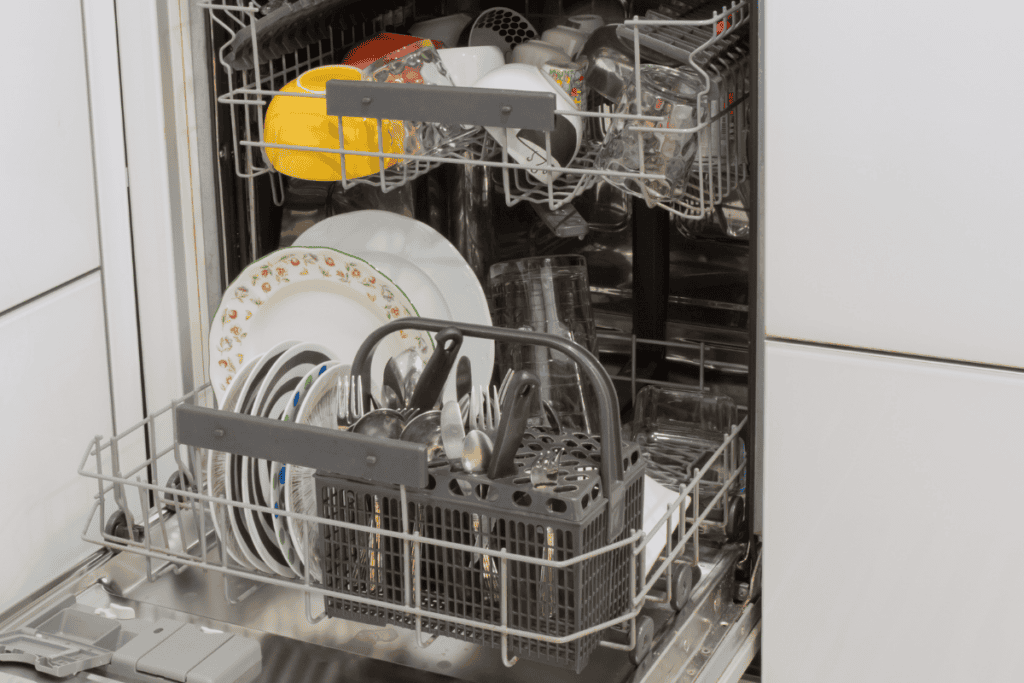
A dishwasher not filling with water is often linked to water flow problems, sensor issues, or internal components that are no longer working as they should.
In some cases, you may notice a completely dry tub. In others, the dishwasher may sound like it is running without enough water entering the appliance. Understanding these symptoms can help you recognize when professional attention is the best next step.
Dishwasher Not Filling With Water: Common Causes and What They Mean
Dishwashers rely on a sequence of coordinated actions to bring water into the tub and begin cleaning. When one part fails, the entire process can stop.
A dishwasher not filling with water may seem like a minor inconvenience at first, but it can lead to poor cleaning performance and added strain on internal parts.
Looking at the most common causes can help explain why the problem happens and when professional service is the right next step.
Water Supply Valve Issues
The water supply valve controls how much water enters the dishwasher. If it becomes restricted or worn, the appliance may not receive enough water to function properly. In some homes, reduced flow may create inconsistent filling, while in others the tub may stay completely dry.
Signs to Watch For
- Controls water flow into the dishwasher
- Restrictions can limit or stop water entering the tub
- Common signs include humming or a dry interior
What You Can Check
- Look under the sink to confirm the water shut-off valve is fully open
- Check for visible kinks in the water line leading to the dishwasher
If water flow remains inconsistent after these checks, professional service can confirm whether the valve itself is failing and restore proper operation.
Float Switch Malfunction
The float switch monitors water levels and helps prevent overfilling. If it becomes stuck or fails, it may incorrectly signal that the dishwasher is already full. When that happens, the fill cycle may stop before water ever enters the tub.
Signs to Watch For
- Tracks water level inside the tub
- A stuck float can block the fill cycle
- May stop water from entering entirely
What You Can Check
- Locate the float inside the tub and make sure it moves freely
- Look for debris or buildup around the float housing
If the float does not move easily or the problem continues, a technician should evaluate the switch and related components.
Faulty Water Inlet Valve
The water inlet valve is one of the most common reasons a dishwasher may not fill properly. This part opens at the beginning of the cycle to allow water into the appliance. Over time, internal wear can reduce its performance or prevent it from opening at all.
Signs to Watch For
- Opens to allow water into the dishwasher
- Internal wear can reduce performance over time
- May cause slow filling or no filling at all
What You Can Check
- Listen for humming without water entering the tub
- Pay attention to cycles that start but do not fill properly
If the dishwasher is still not filling with water, professional service can confirm whether the inlet valve is failing and replace it if needed.
Door Switch or Latch Problems
Dishwashers are designed not to operate unless the door is securely closed. If the latch or switch is faulty, the appliance may not begin the fill cycle even if it seems shut from the outside.
Signs to Watch For
- Ensures the door is fully closed before operation
- A faulty switch can block the cycle from starting
- May cause short or incomplete cycles
What You Can Check
- Close the door firmly and listen for a solid latch
- Watch for cycles that start and stop immediately
If the dishwasher does not consistently recognize the door as closed, professional service can determine whether the latch system is preventing operation.
Control Board or Timer Failure
The control board manages dishwasher functions, including when to fill with water. If it fails, the appliance may not receive the signal to begin the fill cycle.
Signs to Watch For
- Controls the sequence of dishwasher operations
- Failure may prevent water from entering the tub
- Can cause inconsistent or incomplete cycles
Electronic issues can be complex, so a technician is best equipped to accurately diagnose and resolve the problem.
Clogged or Restricted Water Line
The water line supplies water from your home to the dishwasher. If it becomes restricted by buildup or sediment, the appliance may not receive enough water to operate correctly.
Signs to Watch For
- Delivers water from plumbing to the dishwasher
- Buildup can reduce water flow over time
- May result in weak or delayed filling
What You Can Check
- Check for visible buildup near accessible connection points
- Notice if other fixtures in the home have reduced water pressure
Professional service can identify whether the issue is within the line or another component.
Sensor Problems
Modern dishwashers rely on sensors to regulate water levels and cycle conditions. If a sensor malfunctions, it may prevent the dishwasher from filling even when the rest of the system appears normal.
Signs to Watch For
- Monitors water level and internal conditions
- Incorrect readings can stop the fill cycle
- May cause the dishwasher to act like it is already full
Sensor issues often require specialized testing, making professional repair the most reliable solution.
Dishwasher Troubleshooting Tips
If you are dealing with a dishwasher not filling with water, combining a few simple actions with careful observation can help you better understand what is happening and, in some cases, restore normal operation.
Practical Tips and Checks You Can Try
- Fully open and close the dishwasher door again before starting a cycle
Sometimes the control system needs a clear signal that the door is securely latched before it will allow water to enter. - Run a fresh cycle after letting the dishwasher sit for a few minutes
This can reset minor electronic glitches that may interrupt the fill sequence. - Turn on the nearby sink faucet briefly before starting the dishwasher
This helps ensure water is already moving through the line and can improve how quickly the dishwasher begins filling. - Check that the water shut-off valve under the sink is fully open
Even a partially closed valve can reduce flow enough to prevent proper filling. - Wipe away visible debris or residue inside the tub, especially near the float area
Buildup can sometimes interfere with internal components that rely on movement or sensing water levels. - Start a cycle and listen closely during the first minute
You should typically hear water entering the dishwasher. A humming sound without water may point to a valve issue. - Pause the cycle after a few minutes and check for water at the bottom of the tub
This helps confirm whether any water is entering at all. - Look for blinking lights or error codes on the control panel
These signals can indicate why the dishwasher is not advancing to the fill stage.
What These Tips Can Reveal
- No sound or water may indicate a supply or valve problem
- Intermittent filling may suggest a sensor or control issue
- Weak water entry can point to restricted flow or buildup
If the dishwasher still is not filling properly after trying these tips, professional service is the most effective way to resolve the problem and prevent further damage.
Dishwasher Not Filling With Water: Final Thoughts
A dishwasher not filling with water affects more than convenience. Without proper water flow, the appliance cannot clean effectively and may place added stress on internal components.
If your dishwasher continues having trouble filling, schedule expert dishwasher repair service with Athens Appliance Service to restore proper performance and prevent the problem from getting worse.